

Why Danish Design Never Goes Out of Style
See what makes Danish design so timeless, an aesthetic that remains as popular today as it was decades ago.
Design That Serves the User
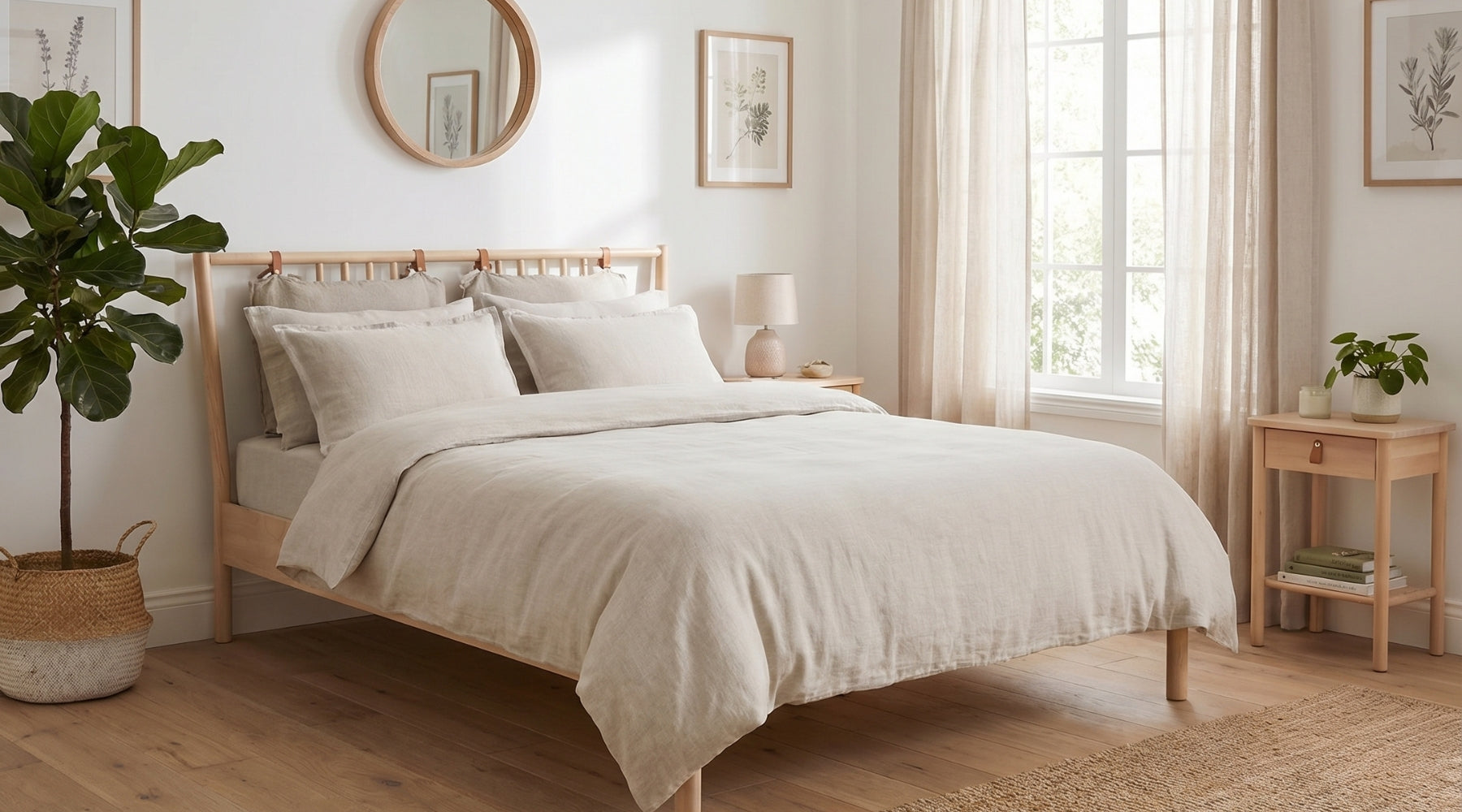
Before considering aesthetics, a Danish designer’s first job is to serve the user—not the other way round. From Bodum French presses to Carl Hansen & Søn chairs, the user’s needs are put before the finer details of materials, colors, or embellishments. The Modern Dane’s Scandinavian-style bedding, while beautiful to look at, has functionality at its core. Every piece is made from European linen, which is thermoregulating: it keeps you cool when it’s warm and warm when it’s cool, meaning that you’ll sleep well all year round.
Contrast that with some recent trends that are now on their way out: bouclé furniture, cloud sofas, vessel sinks, freestanding baths, and crushed velvet bedding. All of these became popular as they photographed well for social media, but after a few more years their impracticalities became obvious. Bouclé furniture became matted and worn; cloud sofas sagged; vessel sinks and freestanding baths accumulated grime around the seams, and velvet bedding became stifling in summer heat. Danish designs may change surface details such as colors or finishes to reflect trends, but as long as human bodies remain unchanged, so too does the underlying object.

Honest Materials
Danish design, like Scandinavian design, favors natural materials. And, just like a forest never goes out of style, neither do natural materials, particularly when used in their natural state. On the rare occasions that materials are varnished, dyed, or otherwise post-processed, it’s usually done subtly, and with colors inspired by nature.
However, Danish design is distinct in that, unlike Swedish or Norwegian design, non-natural materials are sometimes incorporated into designs intended to last for generations. Examples include the chrome base on an Egg Chair, or the injection-molded polypropylene Panton Chair. As a rule, however, the designer is always honest about their materials. What you won’t see is one material masquerading as another: no vinyl floors with wood print, nor PVC tabletops with marble patterns.
The Modern Dane’s European linen bedding is made from 100% natural flax linen, which has a beautiful open weave and touchable texture. Our Danish-style bedding is whitened using oxygen and enzymes, or dyed in nature-inspired colors with non-toxic, OEKO-TEX® Standard 100-certified dyes. If you prefer your linen left completely alone, check out our Naturlig set, which preserves the color and texture of natural linen. Our Hørblomst set combines the best of both worlds, with a beautiful, flax-inspired design printed on a natural linen background.
Simplicity
The more complex or busy the design, the more likely it is to look “of its time” as decades pass. A chair upholstered in floral chintz screams 1980s; an “atomic”, space-age print anchors it in the 1950s. A chair in tan leather or natural hemp, however, is much harder to place, travelling with you through time and across homes.
In today’s more waste-conscious age, consumers increasingly think in terms of cost-per-use, rather than overall cost. That’s why many will pay a premium for vintage mid-century furniture; the clean lines, simple colors, and natural materials are versatile and don’t date.

Plus, they complement other styles perfectly. It’s not uncommon to see a mid-century Danish chair or desk sitting inconspicuously in rooms where the trends of the day play out. This Aspen ski house, for example, is luxurious in sheepskin and florals; the Hans Wegner chairs bring it back down to earth. And in this Ibiza farmhouse, Arne Jacobsen dining chairs give a rustic dining table a modern edge. For more on how to combine Scandinavian styles with other design styles, check out our blog on the topic.
The American mid-century style, which conjures up images of Mad Men offices and Palm Springs homes, was heavily influenced by Danes. The Danish-American designer Jens Risom is often regarded as one of the founders of mid-century modern in the US; the company Dansk was founded by an American couple in 1954, after they visited Copenhagen and were inspired by (and later hired) young designer Jens Quistgaard.
If your home is mid-century inspired, take a look at our Skov print. Its large, abstract pattern was inspired by the way light filters through trees, and perfectly complements the strong geometry of a mid-century space. If you prefer simple solid-color sets, we’ve plenty of those, too.
Durable Design
One of the main factors determining whether a trend endures or fades is durability. Furniture and design items are often expensive; people don’t like spending their hard-earned cash on something that will fall apart after a year or less. As the bad reviews, negative comments, and snarky YouTube videos accumulate, the backlash builds, and the trend is eventually consigned to the “What were we thinking?” pile of design regrets.
As we’ve discussed, Danish design’s simplicity makes it aesthetically timeless, but the way it’s made means that it will also physically last as well. The proportion of Danish-made (and Danish-influenced) furniture in vintage stores is testament to this.

Danish designers use high-quality materials and craftsmanship to create pieces that will stand up to many years of use. Even daily-use items such as chairs, flatware, and bedding can still be found on sale second-hand after many decades, looking almost as good as new. They may be pricier than items from other countries, but the cost per use is often less.
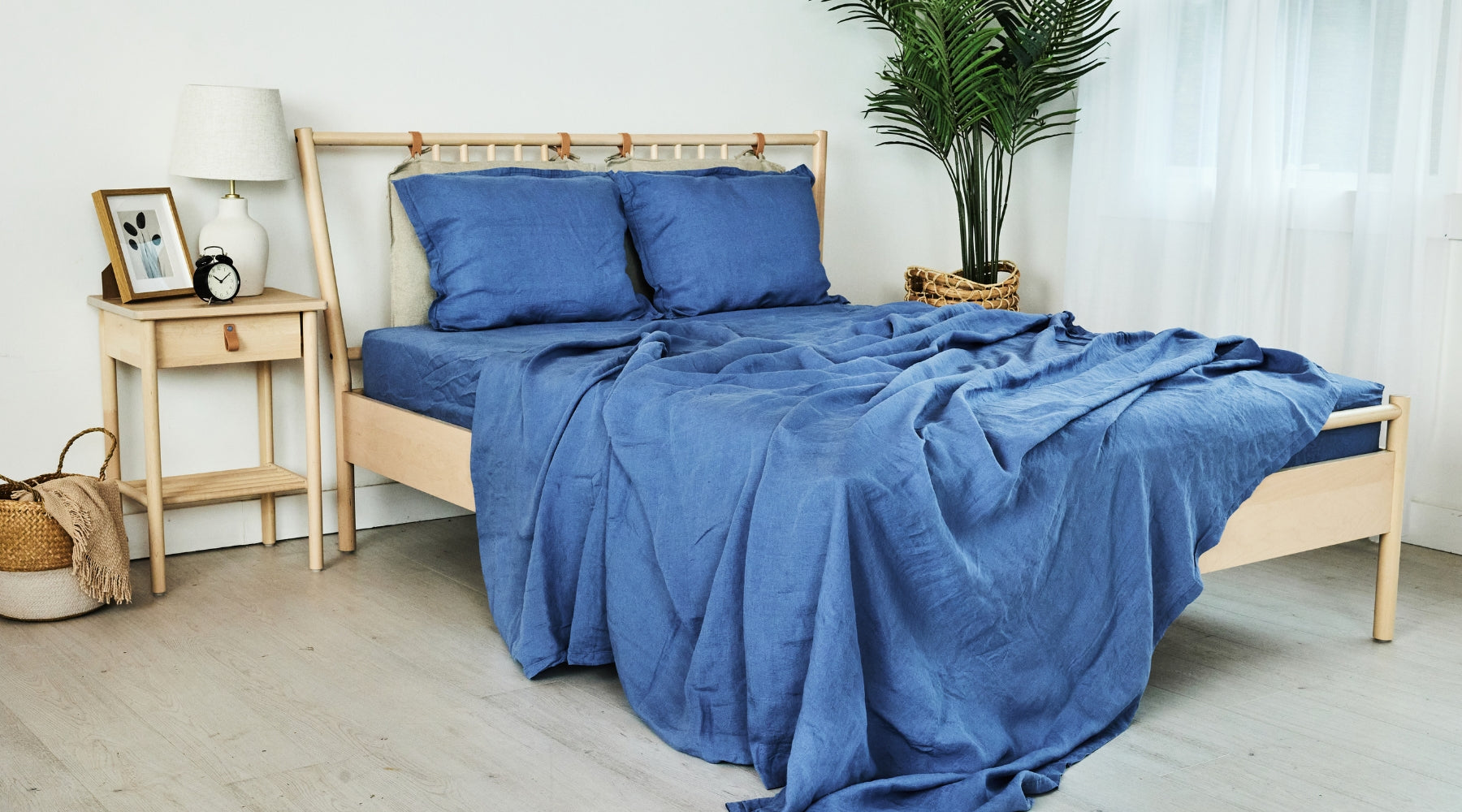
The Modern Dane’s long-lasting linen sheets are made from durable European linen, a bast fiber in the same family as jute and hemp. They’ll last for years if cared for properly; Elle Decor’s reviewer said it even stood up to an attack by her cat. We’ve spared no detail: all our European bedding is certified safe by OEKO-TEX, and hand-sewn by artisans in Guimaraes, Portugal.
What do you like about Danish design? Do you own items that have stood the test of time? Let us know on Instagram, Pinterest, Facebook, or Twitter!
Read more
See how to care for linen bedding so your sheets stay soft, strong, and beautiful for years to come.
Read more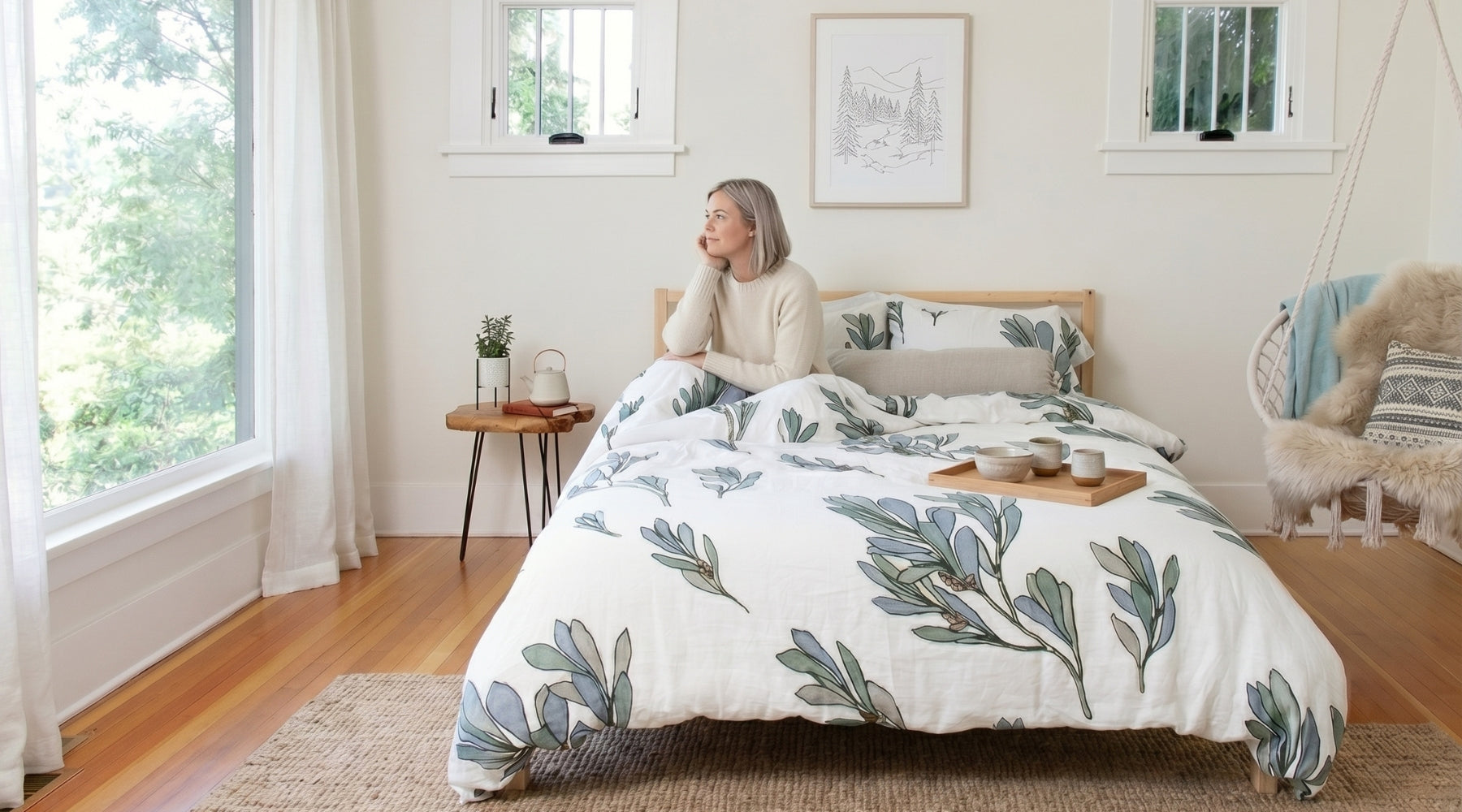
How to Choose the Best Bedding for Menopause
Hot flashes, night sweats, and poor sleep? Discover how breathable, temperature-regulating bedding can help you sleep more comfortably during menopause.
Read more

1 comment
Very well written thank you for all the information.
Mike Rosenberg
Leave a comment
This site is protected by hCaptcha and the hCaptcha Privacy Policy and Terms of Service apply.